In the past, the idea of a woman navigating Tanzania’s wilderness or leading a safari tour might have seemed out of place. In a country where women were traditionally discouraged from pursuing careers in fields dominated by men, a job like this would have felt like a distant dream. For 24-year-old Agape Mrema, her days would likely have been spent performing household chores or working in a low-paying job she didn’t enjoy.
Today, her life looks very different.
Dressed in khaki-coloured jungle gear, she begins her day by inspecting her 4x4 Toyota Land Cruiser – affectionately known as the “safari jeep” – before setting off on another journey through Tanzania’s wilderness. Her story reflects a broader shift taking place across the country. Increasingly, women are stepping into roles once considered off-limits in a sector where tour guiding has long been dominated by men.
“There’s nothing a woman can’t do now, as we were once made to believe,” she says.
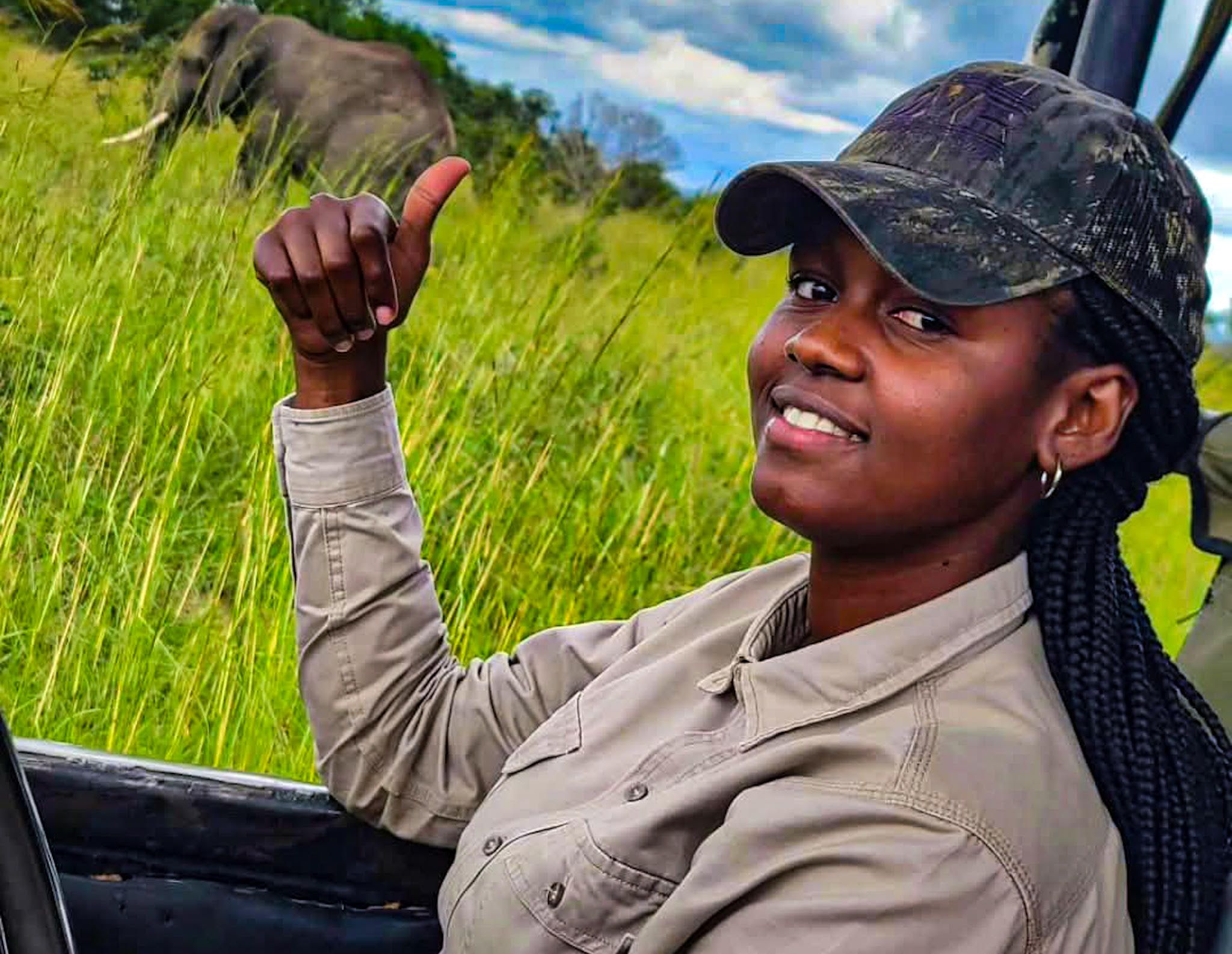
Agape Mrema sits in a safari vehicle in Tanzania, part of a growing number of women entering safari guiding. (Credit: Agape Mrema)
Tour guiding in Tanzania’s national parks demands resilience, skill and composure. From navigating unpredictable wildlife encounters to managing vehicle breakdowns in remote terrain, the work leaves little room for error. Agape meets those demands, but her path has not been without resistance.
Her parents initially opposed her ambitions, seeing them as unsuitable. “My parents wanted me to study pharmacy,” she recalls, “but that’s not what I wanted at all.” Her experience reflects a wider pattern. A 2018 study shows that Tanzanian parents play a significant role in shaping their children’s academic and career choices, with fathers often steering them towards more conventional professions.
A changing industry
Agape was born in Arusha – a gateway to iconic destinations such as the Serengeti and Mount Kilimanjaro – where her connection to the wilderness began early. She later drew inspiration from trailblazers like Agatha Bernard Mndeme, a guide and founder of Woman King Adventures, an all-women safari company.
Agatha’s path followed a similar arc, shaped by both resistance and persistence. In an interview with BBC Swahili, she described how her inspiration came from an unexpected place: a Tanzanian-authored book, Hawa the Bus Driver, about a woman known for her driving skills in a society where the job is typically associated with men.
Today, she is also involved in training and mentoring other women entering the field.
“Witnessing more women enter the tourism sector fills me with immense pride and joy,” she says. Adding, “It challenges outdated expectations and shows that women can excel in roles that require leadership, resilience, and expertise.”
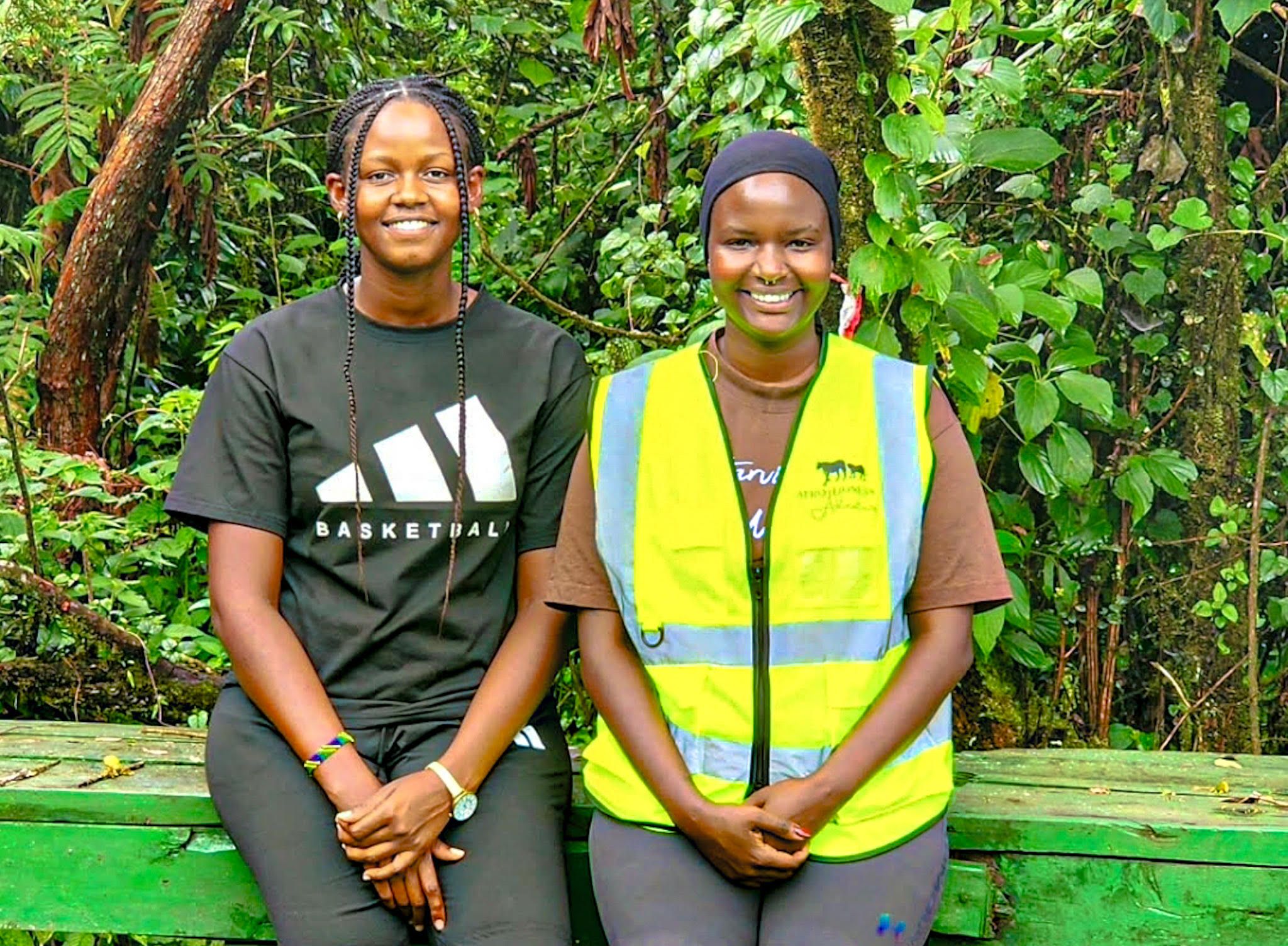
Agape Mrema (left) with Agatha Bernard Mndeme (right), founder of an all-women safari company in Arusha. (Credit: Agape Mrema)
That sense of possibility is something Agape now passes on. She mentors aspiring guides and encourages more women to consider the field. “I want to show women that they can conquer barriers while enjoying the beauty of our country. If I can do it at my age, no woman should feel incapable" she says.
Her parents have since shifted their stance. She lights up as she says “They’re really proud of me now. They’re happy to see me doing what I love. It’s been five beautiful years for me in this industry.” Since entering the field in 2020, she has grown used to one recurring question: why take on what many still see as a man’s job? Her answer remains simple. “I’m in love with what I am doing.”
There’s no ‘can’t do’
Her story sits within a wider transformation of Tanzania’s tourism sector. The country is home to globally renowned natural attractions, from the annual wildebeest migration in the Serengeti to the summit of Kilimanjaro and the beaches of Zanzibar. It is also home to indigenous communities such as the Maasai and the Hadza.
Tourism remains central to the economy, contributing 17.2% to GDP in 2024, generating $3.5bn in revenue and supporting more than 1.5 million jobs. Even so, structural barriers persist.
UNESCO data puts female literacy in Tanzania at 78.7%, compared with 85.5% for men. That gap, alongside gender bias and financial constraints, continues to shape women’s access to education and employment.
For Levina Victor, the imbalance was clear early on. Now 37, she founded Women Adventure Africa after noticing how few women were able to access guiding roles. “Women weren’t getting these jobs as easily as men,” she says. Her company has since created opportunities, employing more than 15 women directly and supporting many others through training.
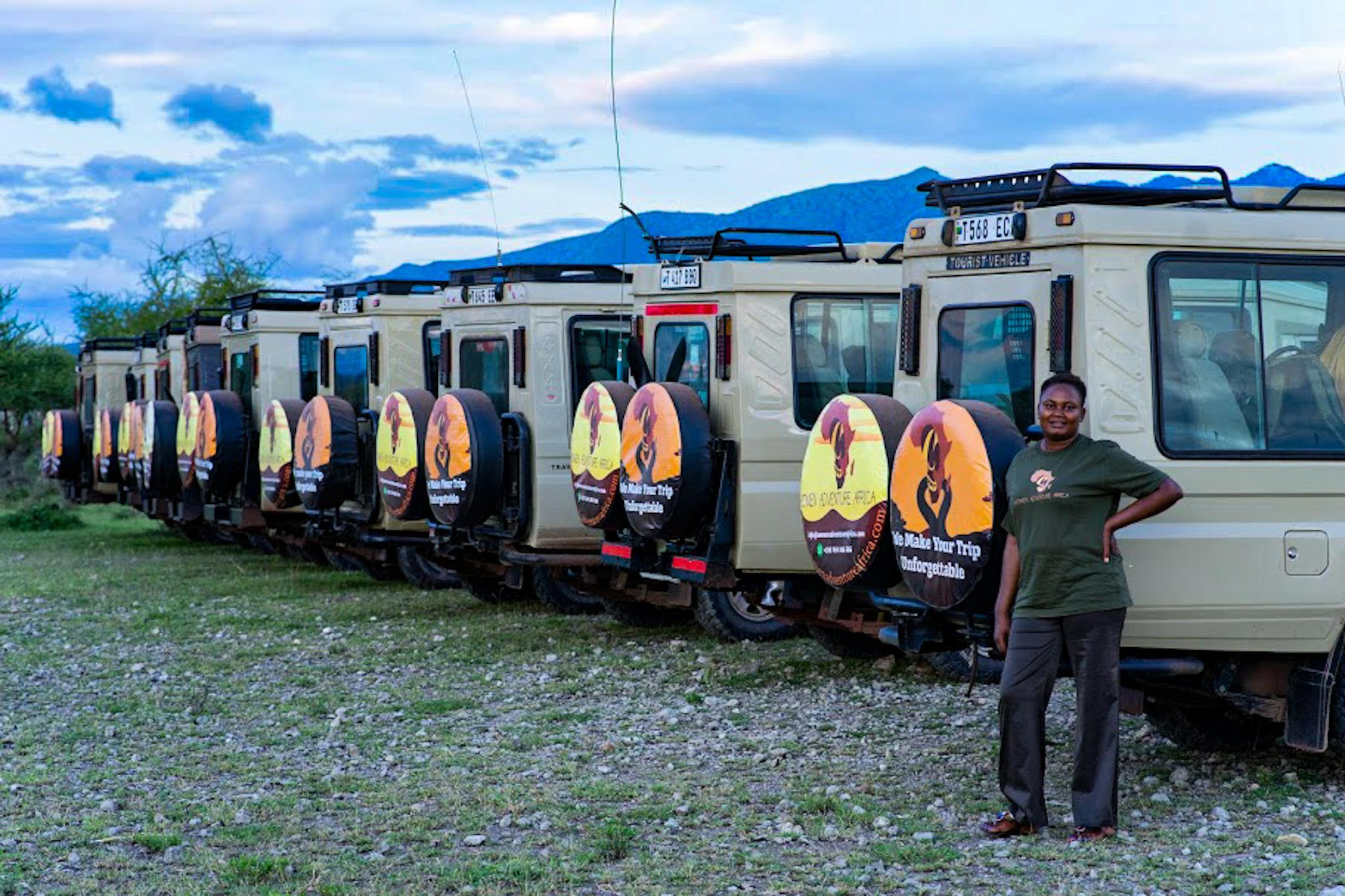
Levina Victor leads a women-focused tourism company supporting training and employment for female safari guides. (Credit: Women Adventure Africa)
According to the 2021 World Bank Tanzania Economic Update, women make up 72% of the country’s tourism workforce. Most, however, are concentrated in lower-paid roles such as housekeeping and waitressing – part of a wider pattern of “pink-collar” jobs that remain undervalued and limit long-term advancement, as noted by the OECD.
As more women take on visible roles, perceptions are beginning to shift among both locals and visitors. “For many tourists, it’s a new experience to be hosted by a woman-owned company and guided through the parks by women. At first, they’re surprised – but always impressed” Levina says.
That shift is also visible within the industry. Ally Sulusi, a male guide, says demand for female guides is growing. “Now, families traveling together are more likely to seek out female guides. They see women as more attentive and better at customer service” he explains.
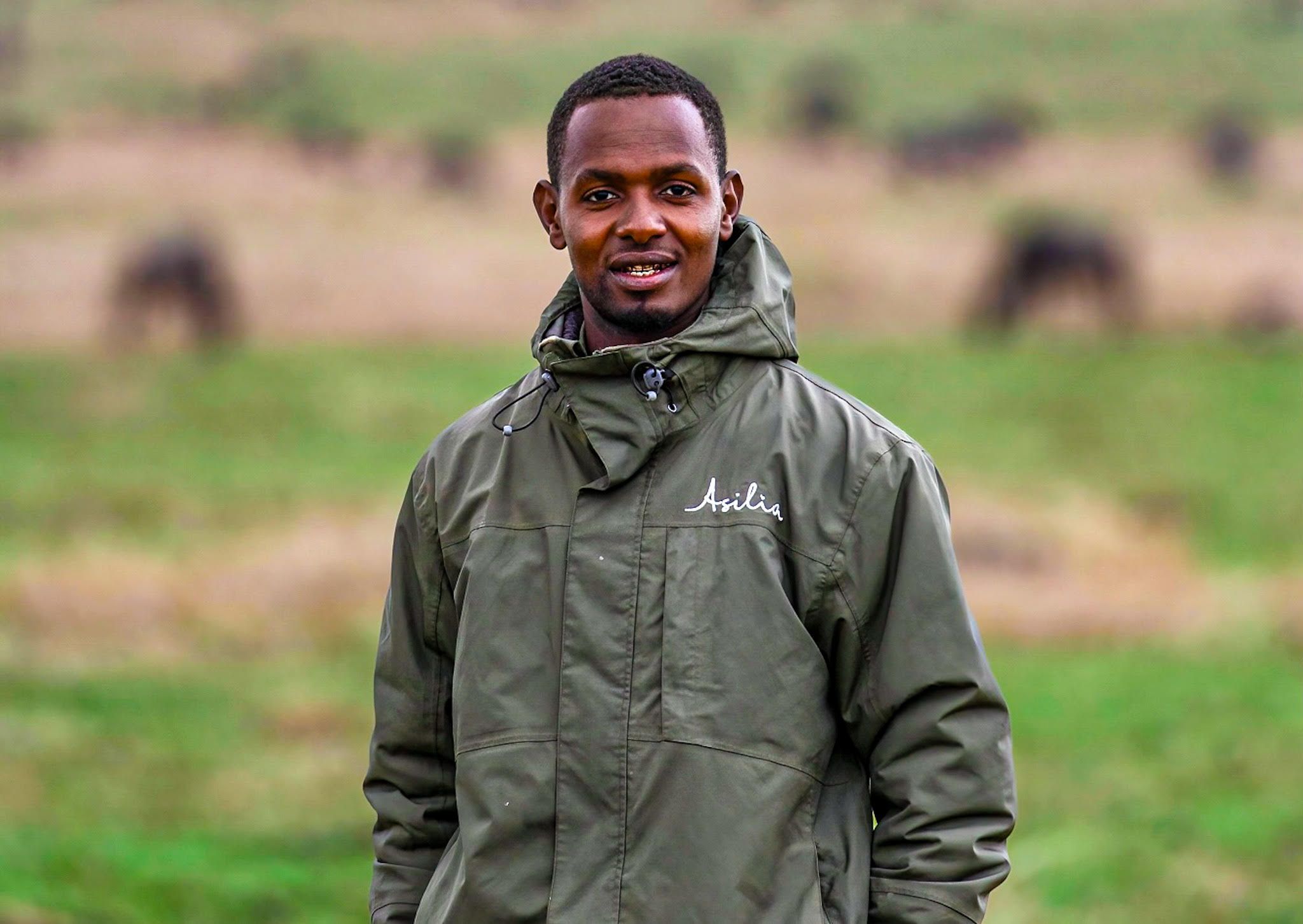
Safari guide Ally Sulusi leads tours in Tanzania’s national parks, where perceptions of women in guiding roles are gradually shifting. (Credit: Ally Sulusi)
For Eliakeney Njau, the work has been shaped by persistence. A senior mountain guide who has summited Kilimanjaro more than 100 times, she encourages more women to enter the field.
“It’s important that women are resilient and passionate about the job they want and not let anyone convince them that they can’t do it. There’s no ‘can’t do’, unless they don’t put their mind to it” she encourages.
Her path reflects the challenges many women face. After her father’s death when she was 14, and without inheritance rights for women in her community, she faced pressure to marry young. With her mother’s support, she remained in school, later trained in tourism operations and began working as a porter on Kilimanjaro at 19.
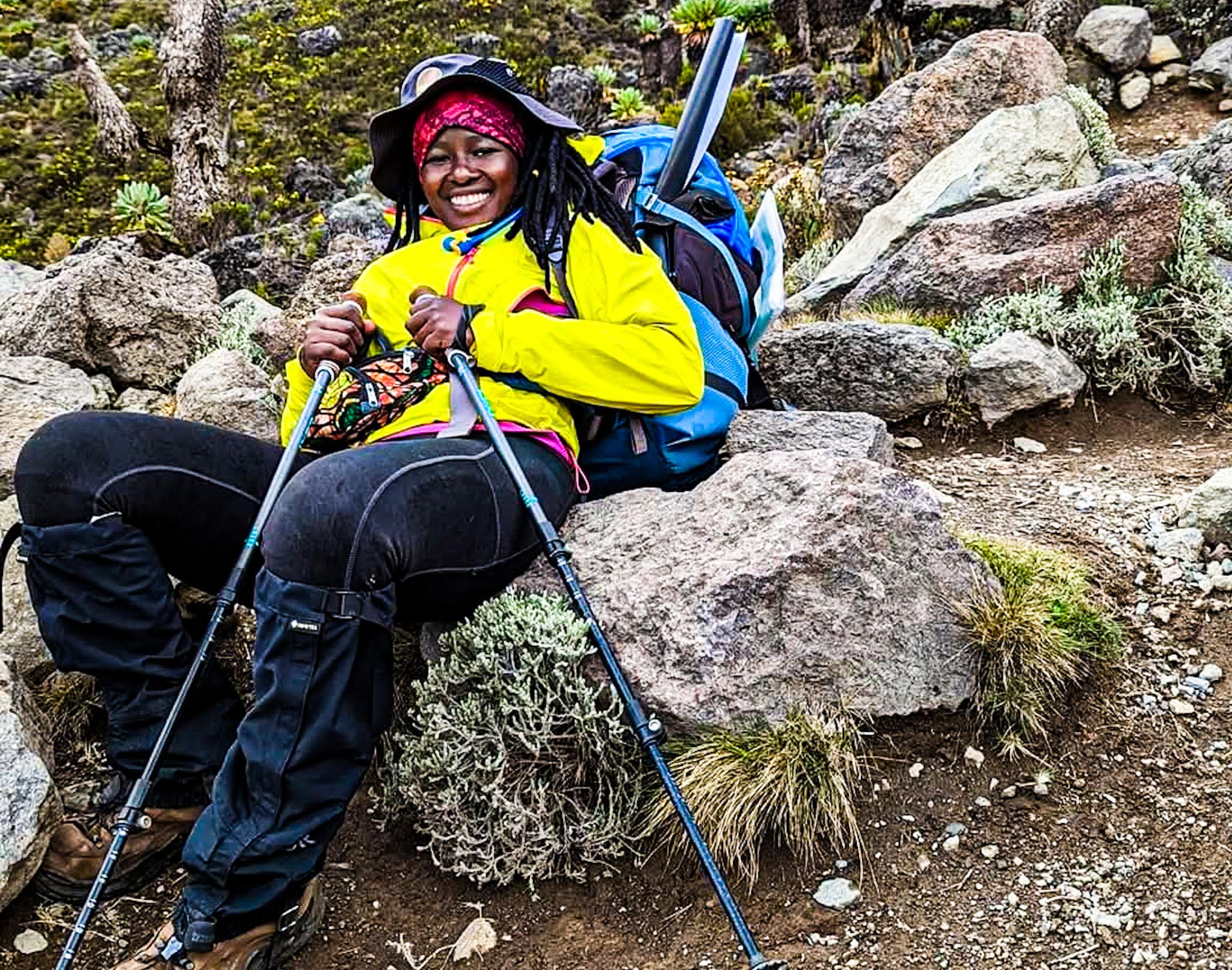
Eliakeney Njau’s career traces a path many women in the industry are still working to access. (Credit Eliakeney Njau)
What still stands in the way
As of 2022, available estimates suggest that women make up less than 1% of registered Kilimanjaro guides. The barriers are both cultural and practical. Employers often assume women cannot meet the physical demands of the job, while long periods away from home can conflict with expectations around domestic roles. Client perceptions also continue to influence hiring decisions.
Organisations such as the Association of Women in Tourism Tanzania (AWOTTA) are working to address these challenges, including improving access to opportunities and advocating for stronger maternity protections and more equal hiring practices.
Cultural norms remain a key barrier, Mary Kalikawe, the organisation’s chairperson, says “The cultural norms that hold women back must be questioned and changed.”
Tanzania’s challenge is mirrored elsewhere. Globally, women make up 54% of the tourism workforce, yet many remain in lower-paid roles. In Africa, women account for nearly 70% of the sector, but systemic barriers continue to limit their progression.
Back on the plains, Agape is still at work, confident in an even brighter future for women in the industry. “We should no longer ask for space. We should claim it and steer our own paths” she concludes.