In Kampala, thousands of kilometers away from Khartoum, women are not waiting for the war to end. They are building parallel lives, one project after another, creating new public spaces that may not even have been accessible to them before displacement. Since the outbreak of war in Sudan in April 2023, the country has experienced one of the largest waves of displacement in its modern history. Data indicates that more than 13 million people have been displaced internally and across borders, including over 4 million refugees in neighboring countries.
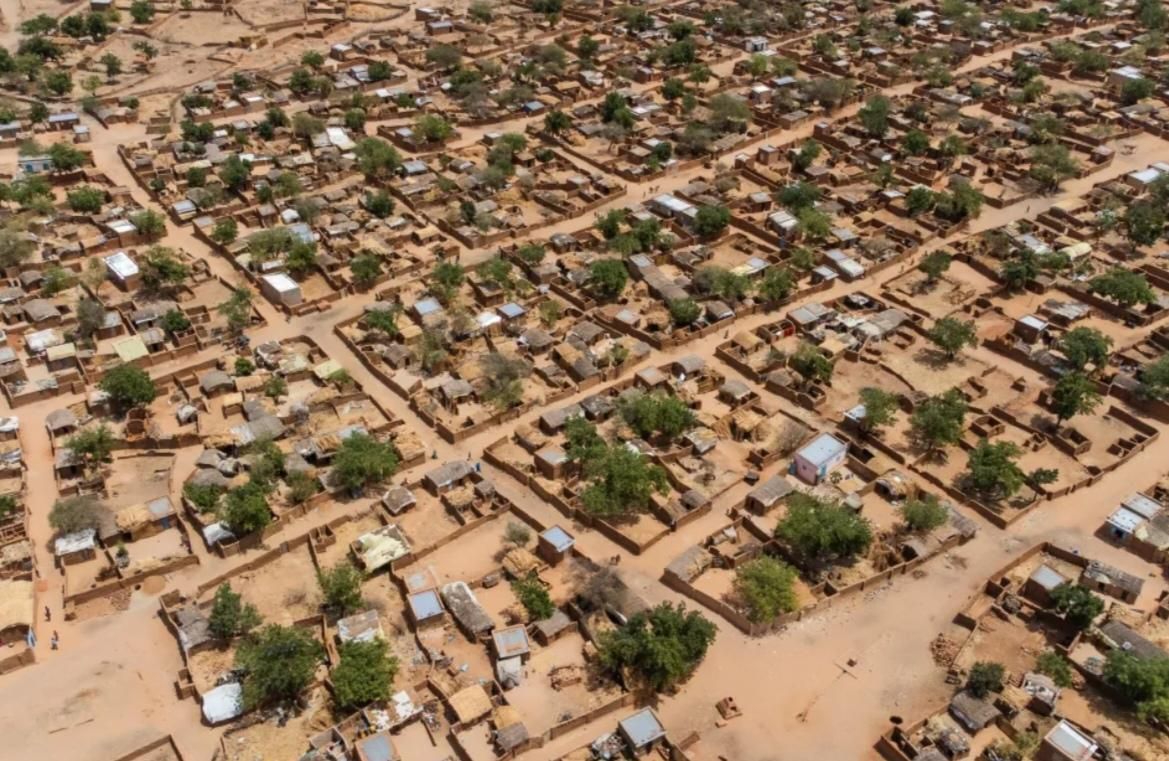
Farshana Refugee Camp in Eastern Chad hosts more than 22,000 Sudanese refugees, including some who have been living there since their initial displacement during the Darfur conflict in 2003. Source: Al Jazeera.
Women and girls account for more than half of the refugee population in some host countries, such as Egypt, placing them at the forefront of the humanitarian crisis, not only as victims but also as primary caregivers, breadwinners, and protectors of their families in new and often harsh environments.
According to reports from humanitarian organizations, women bear multiple burdens in addition to adapting to new cultures and living conditions. Yet amid these challenges, remarkable female-led initiatives and unique efforts are emerging. Some refugee women have found in art and handicrafts a way to express and heal from pain, while others have established small businesses or local organizations focused on supporting women and girls through awareness programs, psychosocial support, and entrepreneurship initiatives.
It is as if the Palestinian poet Mahmoud Darwish was speaking on their behalf when he wrote during his exile:
"We are what remains of us in exile, and the traces we leave behind.
We are the grasses growing from a shattered vessel.
We are who we are, and who are we? What value, then, does place possess?"
Quantitative Context and the Geography of Female Displacement
The Sudanese refugee crisis is not merely a matter of absolute numbers. Its significance also lies in the demographic distribution that places women in direct confrontation with economic and legal challenges across neighboring countries.
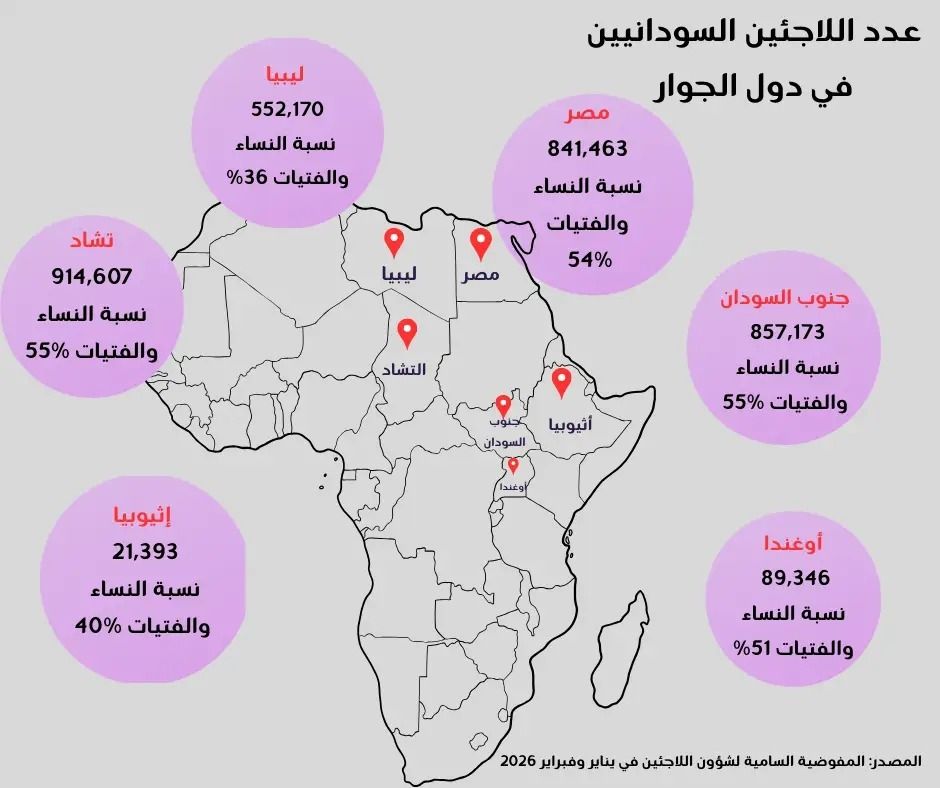
Map of Geographical Distribution and Gender Ratio of Sudanese Refugees (Updated February 2026)
The 2023 displacement crisis does not mark the beginning of displacement for thousands of Sudanese women. In the refugee camps of eastern Chad, for example, generations of women have experienced protracted displacement since the outbreak of the Darfur conflict in 2003. Women constituted the majority of Sudanese refugees who fled to eastern Chad, and according to UNHCR reports from 2003 to 2006, women and children accounted for more than 75% of the total refugee population in some camps.
These figures reveal the scale of the crisis and the depth of its impact on women and girls, including their aspirations, emotions, experiences, and hopes. Statistically, women and girls make up nearly half of the Sudanese refugee population across most neighboring countries. Yet numbers alone do not tell the whole story.
The experiences of Mariam Hamid, Nusaiba Adam, and Enas Haroun offer a different perspective. Their stories demonstrate that women's roles extend far beyond surviving war; it extends to leading civic initiatives, launching economic projects, and creating spaces for psychological and social support in exile.
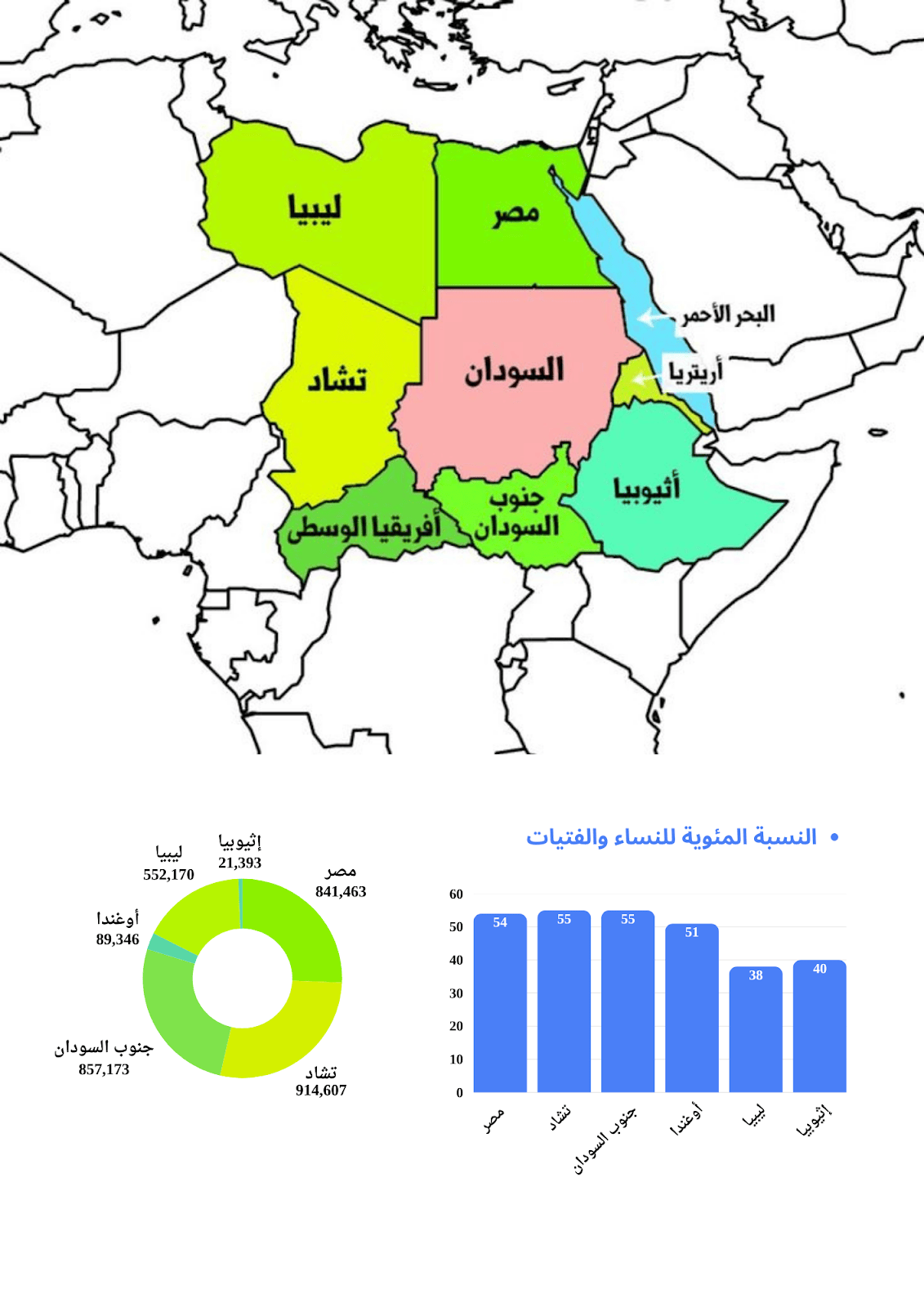
Distribution of Sudanese Refugees in Neighboring Countries and the Proportion of Women and Girls Among Them. Source: United Nations High Commissioner for Refugees (UNHCR), February 2026 Update.
Mariam Hamid: From Displacement to Building a Women's Empowerment Organization
Before the outbreak of war in Sudan, Mariam Hamid stood on the threshold of a major dream. A passionate young Sudanese woman, she had begun pursuing a diploma in Diplomatic Relations while simultaneously laying the foundations for Kayan for Women's Empowerment, an initiative reflecting her commitment to women's issues, youth engagement, and community development. Mariam believes that education and civic action are among the most powerful tools for change, and that contributing to a more just and equitable society is her life's mission.
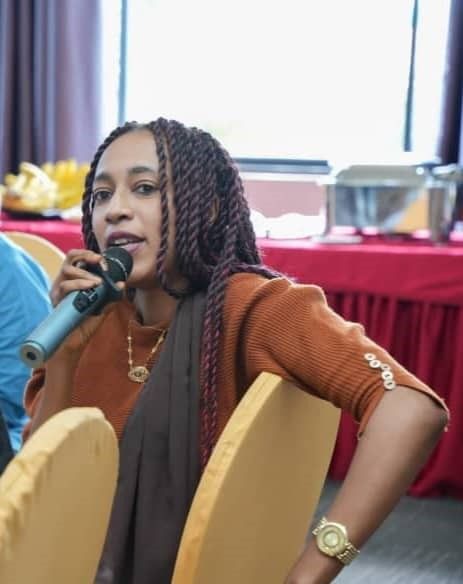
Mariam Hamid, Founder of Kayan for Women's Empowerment. Source: Al-Saqia Press
Like millions of Sudanese, Mariam's life was profoundly altered by the war. Reflecting on the early days of the conflict, she said: "I was affected by the war just like all Sudanese people. At first, I expected it would end within days, but unfortunately it continued, forcing me and my children to seek refuge until we eventually settled in Uganda as refugees."
She describes the first steps of displacement and the fears associated with exile as an extremely difficult period filled with uncertainty. Yet, with time, she came to see it as the beginning of a new chapter. "Those were moments of fear and sadness," she recalled, "but at the same time they became a source of light and a new beginning in my life." What she missed most in exile were the small details of everyday life: family gatherings, neighbors, and even the vegetable vendor whose voice echoed through the neighborhood each morning.
Despite the hardships of displacement, Mariam remained committed to her vision of Kayan. What began as an idea on paper before the war evolved into a functioning initiative in exile. Today, Kayan for Women's Empowerment operates in East Darfur and in the Biyale Refugee camp in Uganda, focusing on the economic, social, and political empowerment of women, while promoting peacebuilding and justice among conflict-affected communities.
During 2024 and 2025, Kayan organized between 12 and 15 training programs, workshops, and dialogue sessions. These activities included psychosocial support training, peacebuilding and social cohesion programs, training on United Nations Security Council Resolution 1325 on Women, Peace and Security, vocational workshops in handicrafts and local industries for widows and war-affected women, women's dialogue forums, and trust-building sessions in Kampala. The initiative also conducted first-aid training, awareness campaigns during the 16 Days of Activism Against Gender-Based Violence, and leadership development programs through the "Kayan Academy."
Starting anew in a foreign country brought challenges of language and adaptation, but Mariam developed her own formula for success. As she explains: "There was no option other than adapting to life in exile. I overcame challenges through determination, continuous learning, and relying on solidarity within the Sudanese community."
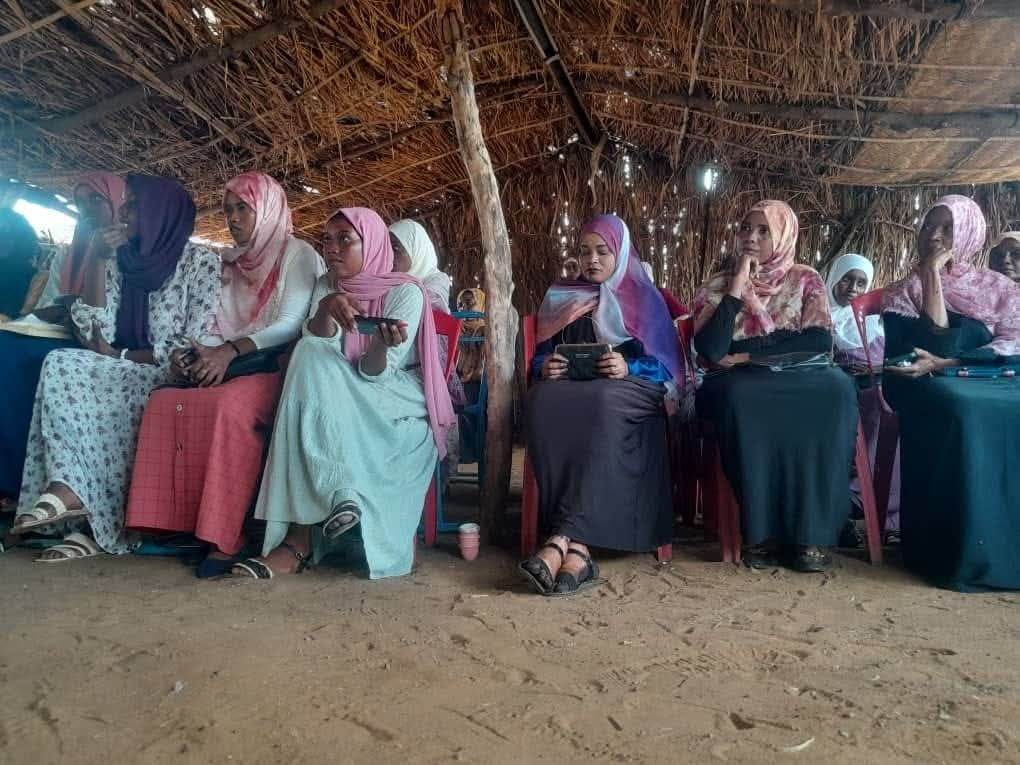
A reproductive health workshop organized by Kayan for Women's Empowerment in Adila Locality, East Darfur State, July 2024. Source: Kayan for Women's Empowerment Facebook Page.
Personal and Collective Impact
These volunteer activities provided Mariam with psychological comfort and a deep sense of purpose that positively influenced both her personal life and public engagement. "Voluntary work has immense psychological benefits," she said. "It gives me the feeling that I am doing what I truly want to do, especially when I see the results of my efforts in supporting women and helping ease the hardships of exile and displacement."
According to the organization's internal assessments, approximately 70% of participants acquired new practical and professional skills, particularly in handicrafts, leadership, and peacebuilding. psychosocial support and awareness programs also contributed significantly to strengthening self-confidence and encouraging community participation among beneficiaries.
Since its establishment in 2024, more than 600 women and girls in Sudan and Uganda have benefited directly or indirectly from Kayan's programs. These initiatives include capacity-building, vocational training, psychosocial support, women's rights awareness, and livelihood support, with particular attention to conflict-affected women, widows, and refugees.
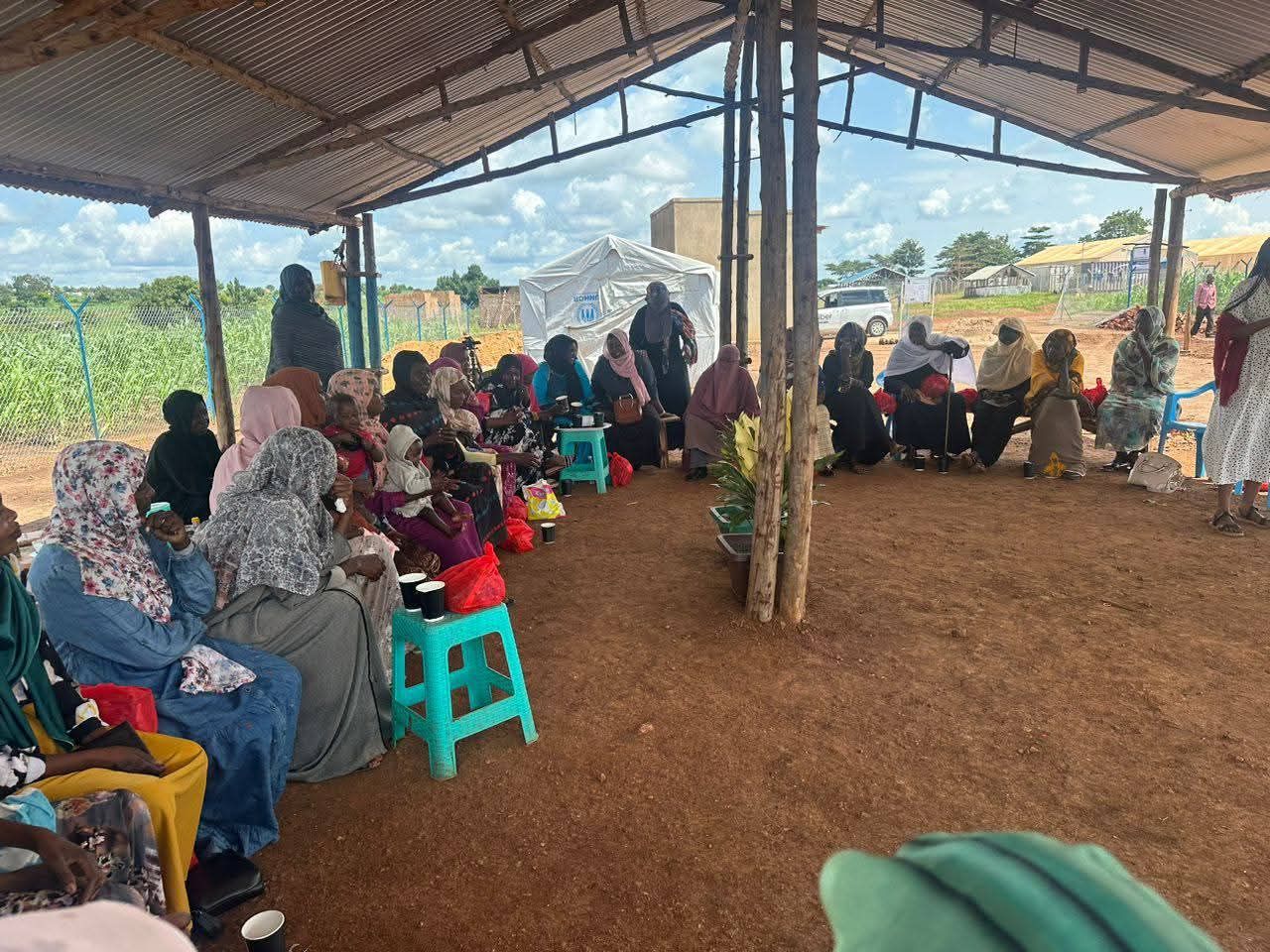
Kayan Women’s Dialogue Workshop, Kiryandongo Refugee Settlement, Uganda, 2024. Source: Kayan’s Facebook page.
Defining Moments
One of the most significant milestones in Mariam's journey was her participation as a speaker at the GIMAC Conference in Guinea, where she presented the realities facing Sudanese women during the conflict. Recalling the experience, she said: "The audience responded strongly to the issues facing women during the war and expressed their solidarity. Moments like these are important because they confirm that the voices of Sudanese women have reached the world."
From exile, Mariam continues to hold onto hope and shares the lessons of her experience with women facing displacement and refugee life. Her message is clear: "Hold on to your dreams and never give up, no matter how difficult the circumstances become. Displacement and refugee life do not mean the end of dreams; they can become a new beginning for learning and self-development."
Mariam's experience demonstrates that education and civic engagement are not separate from reality but are essential tools for rebuilding both individuals and communities. Knowledge, for her, has become more than a personal ambition; it is a bridge that helps restore roots in unfamiliar soil.
Nusaiba Adam: Coffee Cups that Tell Stories
Before the war erupted, Nusaiba Adam was a vibrant young Sudanese woman working as a Public Relations Coordinator at Sharek for Community Development and holding a degree in Clinical Nutrition. Exile arrived unexpectedly. "I struggled to comprehend that I had suddenly become a refugee and that all my efforts and plans seemed lost," she recalled. "I missed the smell of home and evening tea with my family. But eventually I realized that life goes on, and I had to move forward."
In exile, memories of home, neighborhoods, familiar streets, family gatherings, friendships, and shared experiences remained deeply present. Determined to make use of her strengths, particularly her talents in drawing and decorative arts, Nusaiba sought a way to enrich both her own life and the lives of others. She began developing her long-standing passion for handicrafts and enrolled in a diploma program in fashion design, demonstrating that passion alone is not enough without learning and skill development.
This journey led her to launch an innovative project: customized coffee cups designed with images, artistic motifs, and personalized elements reflecting each woman's identity. "Through my work," she explained, "I want to send a message that women in exile can support one another. Simple coffee gatherings among women carry a hidden form of psychological support, and I wanted to capture that feeling in a cup."
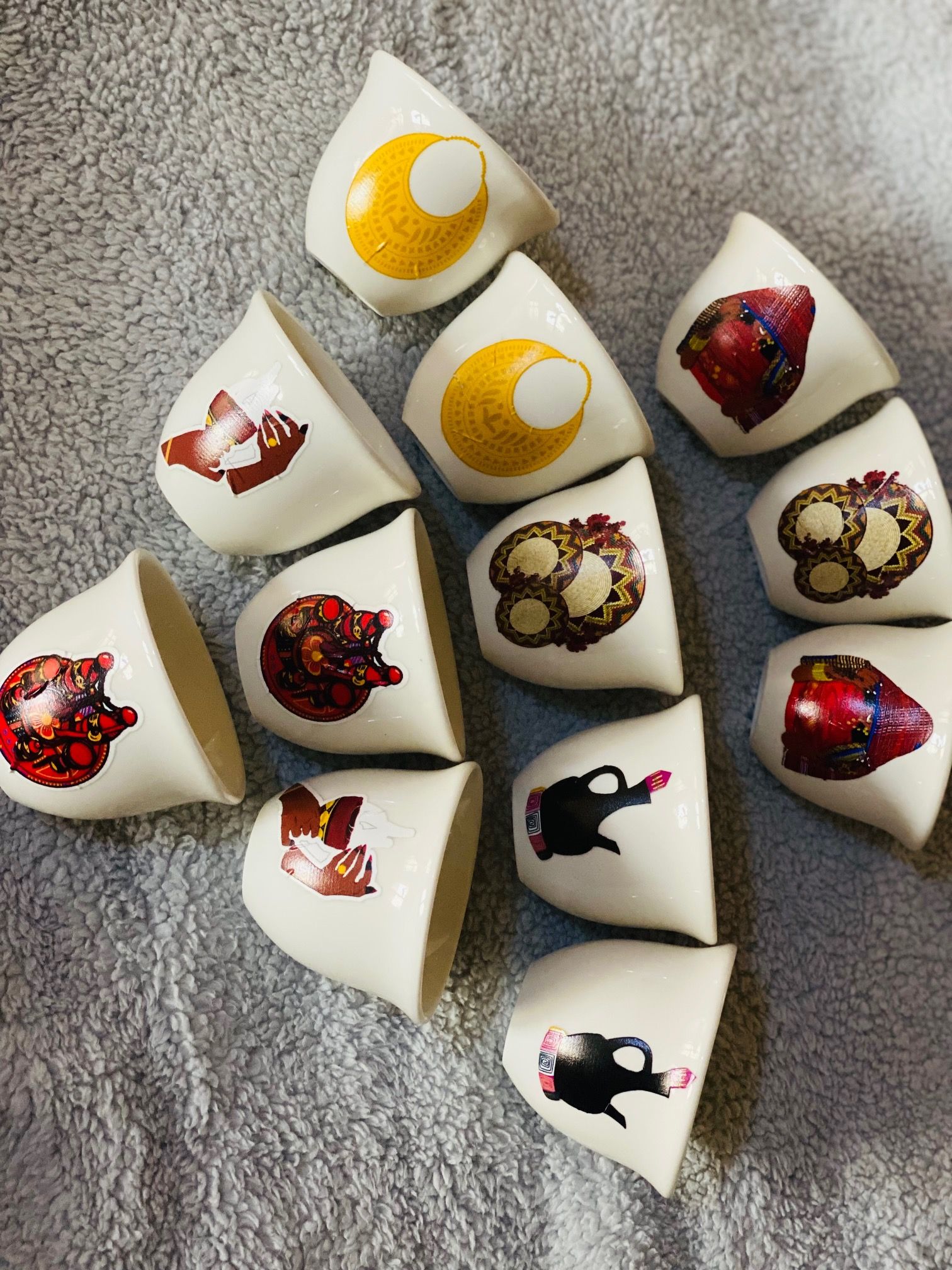
Nusiba Adam's customized coffee cups in Kampala 2025. Photo by Albashir Dahab
Her path was not without obstacles. She faced difficulties obtaining affordable materials and struggled to communicate her ideas in an environment where English was the dominant language. Nevertheless, she persevered until what began as a personal hobby evolved into a source of healing for herself and others. "When I design a cup and see how it changes the mood of women when they gather with friends, it deepens my appreciation for the value of what I create," she said.
Within a relatively short period, her work began touching the lives of other women. One woman told her that the idea could serve as an innovative tool for integrating psychosocial support into a women's center in Uganda. Nusaiba later shared the concept during a counseling session with Sudanese refugee women and remembers the experience with gratitude: "Each woman in the session spoke about her feelings while holding a cup designed specifically for her. It was deeply moving. It gave us a sense of inner peace and reminded us that each of us has the power to create a new and peaceful environment, even under the most difficult circumstances."
Nusaiba's project also became a source of income. By adding customized artwork, inscriptions, and messages to coffee cups before packaging and delivering them to customers, she created a sustainable livelihood in exile. At the same time, her products, which carry positive messages for women and celebrate aspects of Sudanese culture, provide emotional encouragement and inspiration for women and girls.
Her message to Sudanese women, whether at home or in exile, is infused with the warmth of coffee itself: "Sudanese women are distinguished by their rich cultural heritage. The war has tested all of us. If there is one good thing, no matter how small, that you can do, do not hesitate. Great achievements begin with what may seem like an ordinary step, as long as we keep moving forward."
Nusaiba's experience demonstrates that creativity can serve as a form of psychological healing in the face of hardship. Simple artistic expressions, such as designing coffee cups, became bridges of communication, emotional support, and shared understanding. Through her work, she transformed the burden of displacement into a space for creativity and positive impact, proving that loss does not eliminate the ability to build, and that exile itself can become a point of light, depending on how we choose to see it.
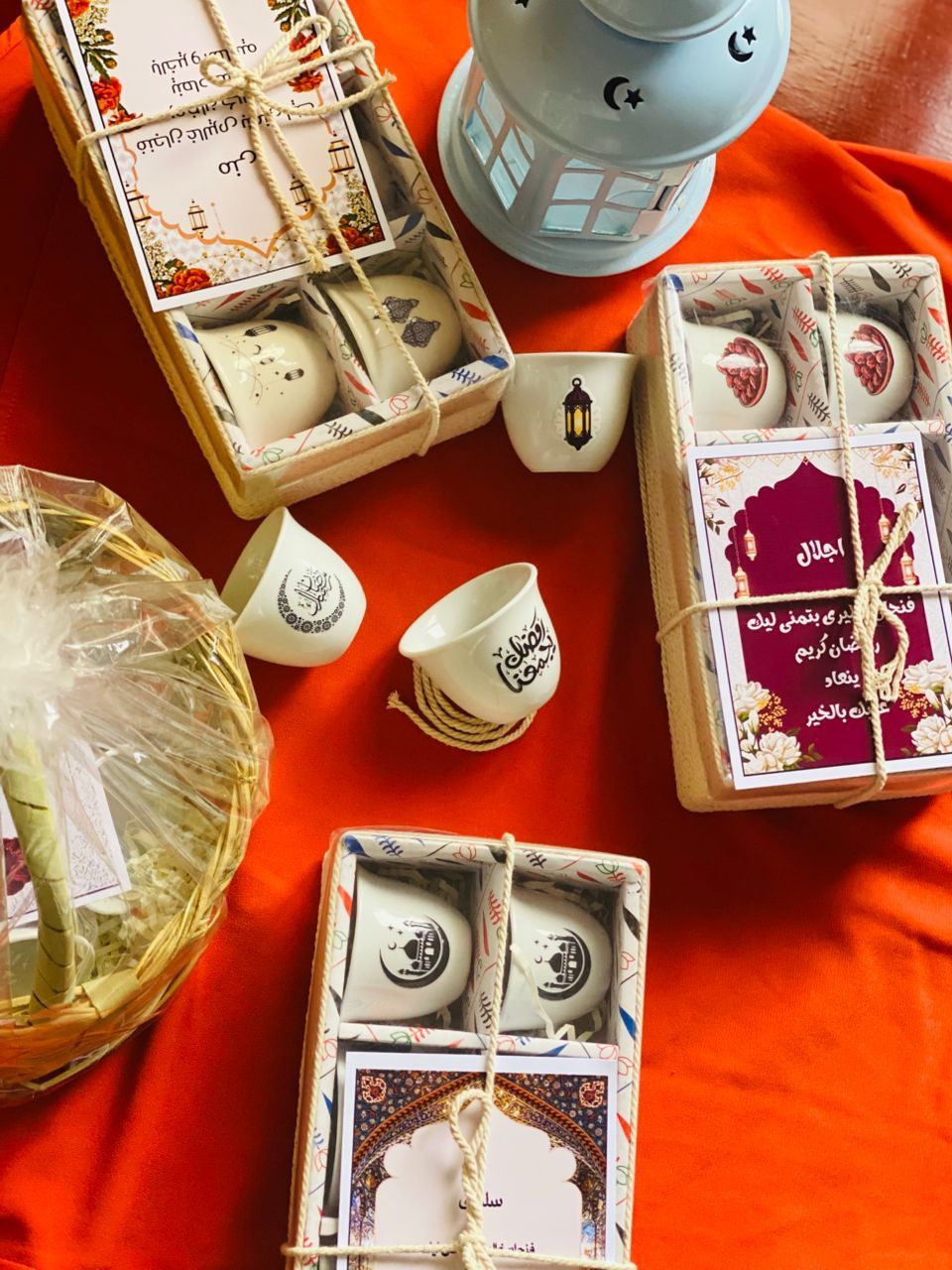
Nusaiba Adam's handicraft work in Kampala 2025. Photo by Albashir Dahab
Enas Haroun: Entrepreneurship Building Bridges Between Cultures
For Enas Haroun Mohamed, the war was not merely a moment of losing a source of income; it was a test of her ability to rise again. A pharmacy graduate from Ahfad University for Women, she founded the Tijan Women's Initiative in Nyala before the outbreak of the war. The project began as a beauty center for women and soon grew into an integrated enterprise that included a café, a training center offering developmental awareness programs, and a women's health and fitness club. For her, "Tijan" was more than a business venture; it was a safe space where women could develop skills that enhanced their self-confidence and share moments of joy and comfort.
Anyone forced to leave home because of war, carrying memories of home such as their regular coffee with parents or friends while losing their source of income and a newly established project like Enas's, may understand the feelings she describes from that moment. She says, "In June 2023, I left Nyala for Uganda, and when I first arrived, I felt lost and as though I had lost everything I had built."
That feeling of loss did not last long. She regained her passion for work and decided to improve her English in order to expand her opportunities. She then turned to her experience in producing women's products and launched a small online platform from her home in exile to display her products. The surprise was that some of her former customers reappeared to support her.
Over the past two years, more than 200 women have benefited from the Tijan Women's programs in Kampala, either through direct training or through accompanying community activities. The initiatives were not limited to Sudanese women; they also extended to engagement with the host community through shared spaces for learning, work, and the exchange of experiences.
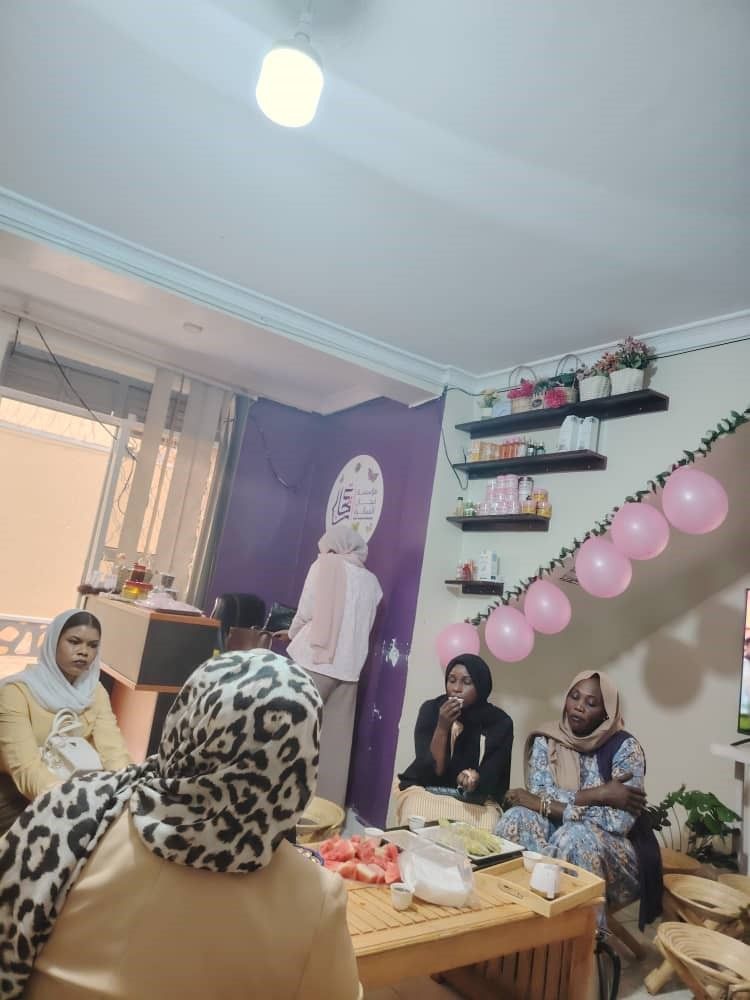
Photo showing part of an awareness session organized by the Tijan Women's Initiative as part of Breast Cancer Awareness Month (Pink October) activities to promote health awareness among women in Kampala, October 2025. Source: Tijan Women's Initiative.
This small step opened the door to broader cooperation with other Sudanese organizations. Through these partnerships, she implemented ten specialized training courses and three dialogue sessions that addressed psychosocial support, business networking for the development of small enterprises, and countering hate speech. These programs were not theoretical; rather, they focused on practical application and building skills that could be transformed into income and employment opportunities.
Enas's determination to revive her first project led her to relaunch the Tijan Women's Initiative in Uganda, not merely as a beauty center but as a multi-faceted platform. One of its most notable achievements in exile was the "Tijan Festival for Harmony and Entrepreneurship," which attracted more than 1,000 participants and featured approximately 40 exhibition tables run by refugee women who owned small businesses.
The festival was not only a cultural event but also an economic platform that enabled women to showcase their products, build business relationships, and reach a wider audience within the host community because it brought together Sudanese culture and the local culture of the host society. Enas says, "The festival was a turning point because it not only celebrated women's creativity but also embodied the idea of coexistence, cultural harmony, and the exchange of experiences and opportunities." The festival created real economic opportunities for women and demonstrated their ability to make a social impact within the refugee environment.
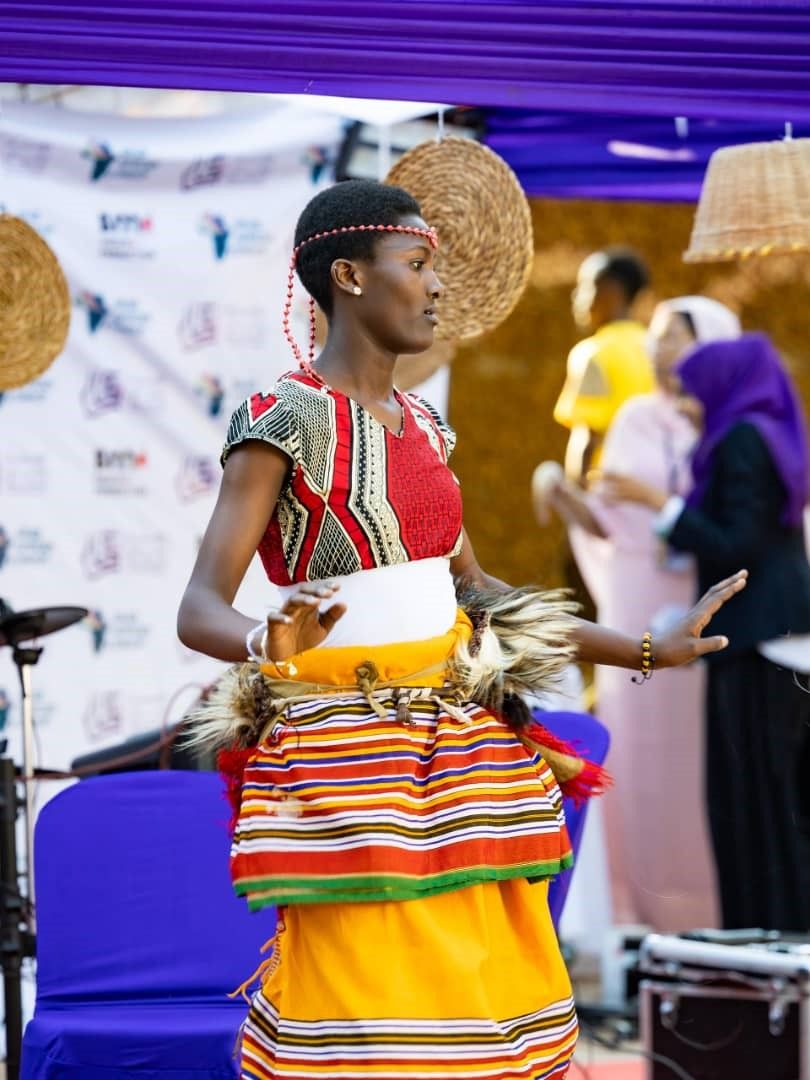
A traditional Ugandan dance performance during the Tijan Festival for Entrepreneurship and Harmony in Kampala, in a scene reflecting cultural exchange between Sudanese women and the host community. Source: Tijan Women's Initiative Facebook page.
Different Paths of Empowerment in Contexts of Displacement and Refuge
In displacement contexts such as South Sudan, women face significant challenges related to agriculture and basic livelihoods, and their empowerment is often centered on collective agricultural projects and sustainable food solutions. In contrast, in Uganda, where many Sudanese women live as refugees, broader opportunities emerge through commercial initiatives, handicrafts, and vocational learning, such as training workshops and handicraft activities that connect women to the local community and open multiple sources of income for them. This difference between the two contexts reflects the diversity of opportunities and challenges and highlights that exile can become a space for redefining women's social roles and empowering them economically and culturally, beyond a sole focus on survival.
Despite limited resources, Tijan continued its work through training courses, psychosocial support programs, and awareness activities for mothers on parenting and countering hate speech. For Enas, every small initiative is a building block in a larger structure. Her message to Sudanese women is: "We must think outside the box. The circumstances are difficult, but we are strong and capable of creating new solutions and contributing to building communities that coexist in peace despite everything."
Tijan's work was not limited to training and entrepreneurship. It also extended to health awareness, as the organization held a session as part of Breast Cancer Awareness Month activities targeting women from refugee communities. The session focused on the importance of early detection and promoting health awareness among women in a context where refugee women face limited access to information and health services.
Enas embodied the concept of socially oriented entrepreneurship through relaunching "Tijan" in exile, transforming her beauty project into a cultural and economic platform that combines Sudanese identity with engagement with the host community. In this way, small projects become a form of quiet resistance that rebuilds meaning amid loss.
What is striking in these experiences is that exile did not keep women confined to waiting inside their homes. Rather, it pushed them into public spaces, training, work, organizing, networking with institutions, and managing economic projects. This transition can be viewed as a transformation in the definition of women's social roles in the context of refuge.
Exile as a Space for Redefining Life
This transformation cannot be understood merely as a situational response to displacement; rather, it is a conscious reshaping of identity. Transnational feminist writings, such as Sherrí Moraga's, This Bridge Called My Back, suggest that identity is not a fixed entity but a dynamic space formed through the interaction of memory, belonging, and new realities. Women in exile do not sever their connection to their homeland; instead, they symbolically reproduce it within the temporary spaces in which they live.
This is what researcher Halleh Ghorashi describes as the reconstruction of the self in the context of migration, where participation in public life, work, and negotiation with institutions become tools for redefining both social roles and individual identity. Likewise, the concept of "intersectionality," developed by Patricia Hill Collins in Black Feminist Thought, helps us understand the experiences of Sudanese women as an intersection of gender, national belonging, and legal status as refugees. Refuge does not erase identity; rather, it rearranges its layers. From this perspective, "mobile patriotism" can be understood not as a fixed nostalgia but as the ability to carry national memory into new spaces while acquiring skills, languages, and public roles that reinforce what may be called "active adaptation."
In this sense, a woman's movement from the private sphere into the public sphere within refugee communities becomes more than an economic necessity; it is a structural transformation in the definition of the self and in women's position within both their original communities and their host societies.
The experiences presented here are not separate from similar paths experienced by women from South Sudan or Eritrea, where refugee women have played pivotal roles in creating small communities capable of cohesion. The Sudanese case may have its own particularity, as dreams and pain meet just as the Blue Nile and White Nile meet in the heart of Khartoum. Sudanese women persist in transforming loss into an opportunity for innovation, much like the Nile itself persists in reaching its distant horizon regardless of changing weather and winding turns.
These three testimonies are only examples of hundreds of stories being written daily in exile. They affirm that Sudanese women have not lost their voices despite the war; rather, they have rediscovered them in new ways, in learning spaces, in a cup of coffee, and in a festival that celebrates cultures in the face of hate speech and war. Sudanese women insist on creating impact not only as survivors but also as leaders and pioneers building a future that transcends geographical boundaries.
Sudanese women in exile may not have the power to stop the war, but they do possess the power to redefine life after it. Within this new definition, refuge is not a state of waiting but a space for rearranging roles, building networks of solidarity, and creating a small but resilient women's economy.