Images by Vania Muriuki and African Art Agenda.
Women in the art sector in Kenya have historically faced structural and cultural barriers that limited their visibility and access to opportunities, but over the past few decades, they have steadily carved out significant space within the country’s creative landscape. Their work spans a wide range of mediums, including painting, sculpture, performance, multimedia, and installation art, and often engages with themes such as identity, gender, heritage, social justice, and community.
In contemporary Kenya, the presence of women in both artistic production and institutional leadership is growing. More galleries, exhibitions, and art programs are showcasing their work, while women are also taking on roles that shape the cultural sector, ensuring that female perspectives are included in decision-making and curatorial practices. A new movement is emerging to challenge that invisibility and reclaim the stories that have been pushed into the margins.
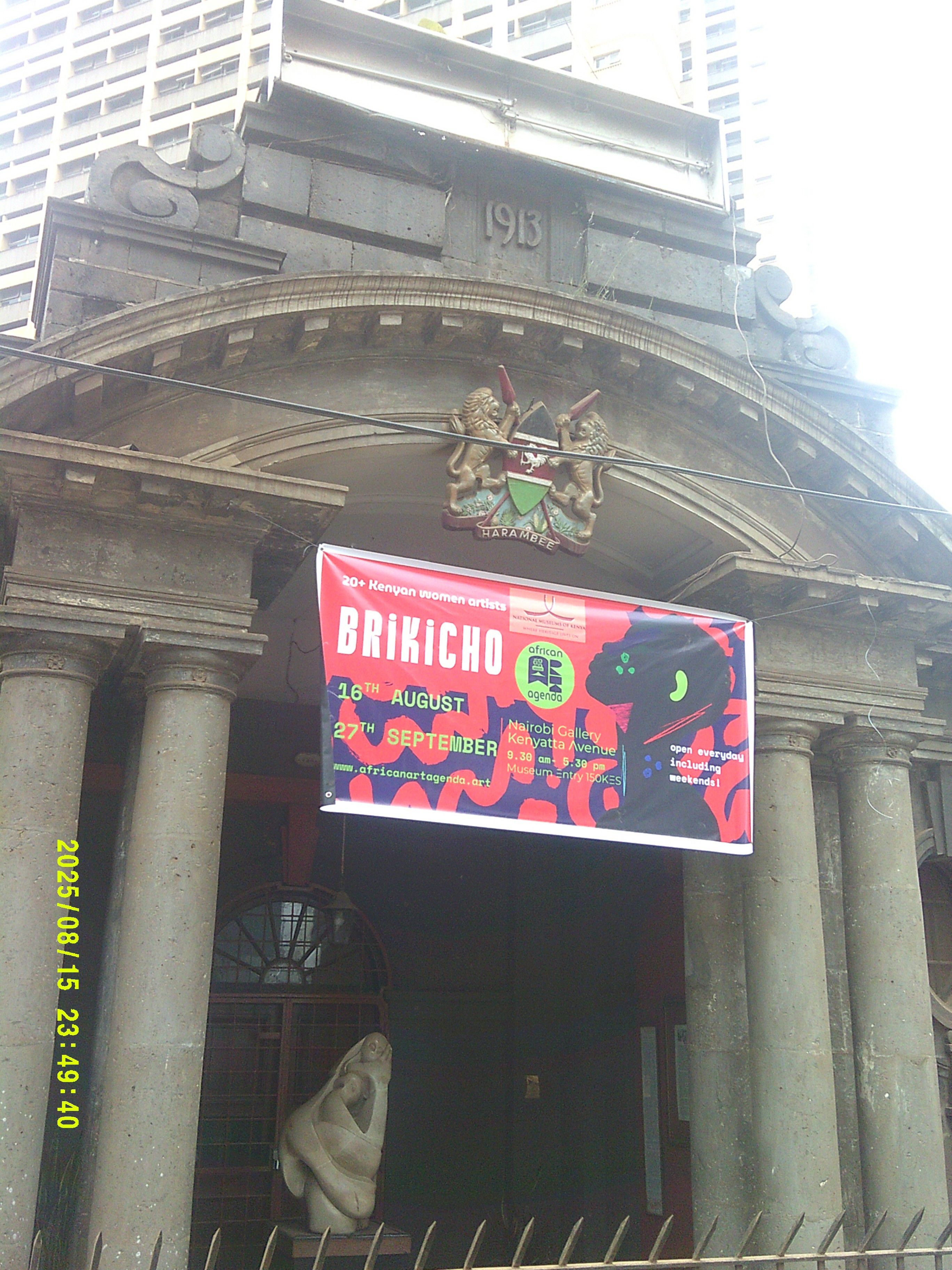
Brikicho exhibition, held at the National Museums of Kenya
The Long Invisibility of Kenyan Women Artists
For generations, the creative labor of Kenyan women artists has unfolded quietly, inside living rooms, makeshift home studios, and private spaces where art could be made away from scrutiny, stigma, and systemic neglect. Their contributions have shaped Kenya’s cultural landscape, yet their names remain largely invisible in the country’s archives, institutions, and collective memory. The invisibility of women artists in Kenya is neither accidental nor isolated. It is the result of deep-rooted social, cultural, and institutional forces that have consistently devalued women’s creative labor.
Artistic Isolation and Social Pressures
Many women artists work from private home studios or spaces shaped by limited access to affordable studio rentals, safety concerns, and caregiving responsibilities. While these environments provide privacy, they also contribute to a systemic lack of visibility. Unmarried women artists are often questioned about their marital status, their work regarded as a deviation from traditional gender roles. Many face loneliness, community shunning, and expectations that prioritize caregiving over creative careers.
For decades, Kenya lacked a national gallery dedicated to visual arts, with state cultural investment focused instead on archeology and heritage. Without public funding, affordable art supplies, or strong institutional support, women have historically had to self-finance their practices. The stories of pioneering artists Rosemary Karuga and Rebeka Njau reveal the human cost of systemic neglect.
Lives That Mirror a System: Karuga and Njau
Born in 1928, Rosemary Karuga became the first woman to graduate from Makerere University's art school in 1952. Yet her practice went dormant for decades as she taught, raised a family, and navigated a society that placed domestic expectations above creative pursuits. When she returned to art in the late 1980s, she created extraordinary collages using scavenged materials in an act of resourcefulness and resilience. She worked from her living room, gaining recognition only late in life.

Rosemary Karuga, Untitled (Woman in buibui), 1992, collage on paper, 42 × 30 cm, Circle Art Gallery. Source: Awarewomenartists.com
Rebeka Njau, Kenya’s first female playwright and a trailblazer in visual arts, faced active erasure. Despite producing bold batiks and textiles in the 1960s, her archives were destroyed by her ex-husband, wiping out much of her artistic legacy. While her male contemporaries were anchored into the nation’s artistic canon, Njau’s contributions fell into near obscurity.
A New Generation Refuses Silence
Today, younger Kenyan women artists are pushing back against this historical invisibility. Ziwa Zambarau, Hawa Art Space, and other artist-led initiatives are creating platforms where women can gather, critique, share work, and build supportive communities. Artists like Beatrice Wanjiku confront restrictive social norms head-on, while Ato Malinda’s public performances challenge gendered ownership of space, highlighting the risks women navigate simply to be seen.
Their work, innovative and intimate, rarely reached public galleries. Yet their invisibility was never absence; it was strategy, resilience, and resistance. African Art Agenda, a female-led arts organization, conceived Brikicho as a space of finding, a place where these artists’ stories, ideas, and practices can finally be seen, celebrated, and remembered.
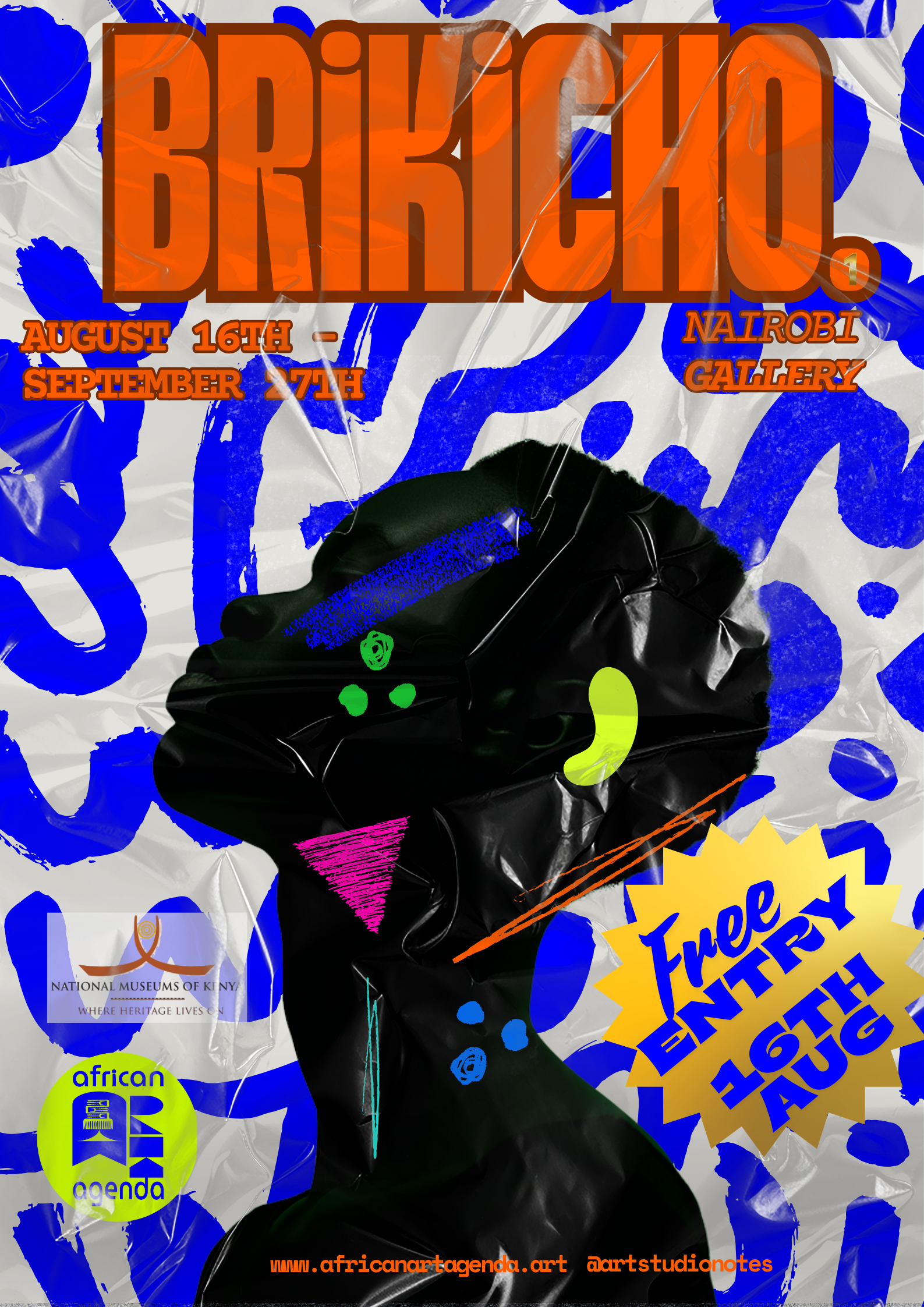
Promotional poster for the Brikicho gallery
Brikicho, named after the Kenyan children’s game of hide-and-seek, is both playful and profound. It’s a call to find what has long been hidden: the powerful work of Kenyan women artists who create from private home studios, often unseen by the mainstream art world.
The exhibition situated itself within this growing resistance, offering visibility as critical infrastructure by providing a public platform to help artists build networks, strengthen digital portfolios, and connect with institutions that have historically overlooked them.
Intentional Curation
The exhibition was curated by Awuor Onyango (Lead Curator), Joan Ochola (Assistant Curator), and Lenny Kariuki (Curator, Nairobi Gallery), it marked the first in a series of annual gatherings dedicated to “artists imagining otherwise.”
African Art Agenda’s mission (to document, archive, and platform African women’s art histories) runs through Brikicho like a thread, linking the past, present, and future.
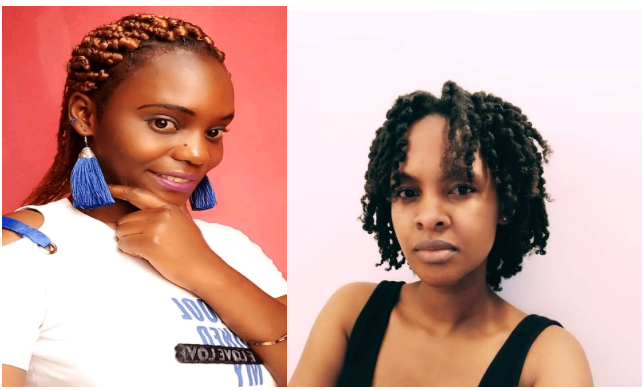
Awuor Onyango to the right and Joan Ochola on the left
What the Exhibition Showcases
More than 30 women artists from Nairobi and beyond were featured, spanning generations and mediums such as painting, collage, sculpture, textiles, and video art. Their works explore identity, memory, gender, and postcolonial healing, bridging private experience and public narrative.
Public programming included artist talks, portfolio clinics, and interactive installations, inviting visitors to engage directly with artists and the ideas that shape their practice. A digital archive accompanied the show, ensuring that these women’s voices are documented for future generations.
Reclaiming Art History and Building Future Archives
As curator Awuor Onyango explains, “This isn’t just an exhibition, it’s an act of cultural recovery.” Brikicho transforms the Nairobi Gallery into a space of visibility and remembrance, where audiences are invited to look again and discover what’s been waiting in the shadows.
Beyond showcasing contemporary work, Brikicho sought to rewrite the art historical record. Curators and researchers worked to document the contributions of women pioneers, ensuring that histories like those of Karuga and Njau are no longer footnotes but central chapters in Kenya’s visual culture. Initiatives such as the Njabala Foundation’s symposium address the gaps in mid-century art histories, while African Art Agenda’s digital archiving efforts aim to ensure that the next generation of artists will not face the same erasure.
The Brikicho initiative conveyed a unified message to various audiences: to artists, it was a call to step forward, be visible, and claim space in the cultural landscape, emphasizing that visibility is power, as connection, safety, opportunity, and recognition begin with being seen; to art lovers, it encouraged supporting, sharing, and championing the work of women artists so their stories circulate beyond private networks. To galleries and institutions, it presented a challenge to expand programming, diversify collections, and invest in women artists as a structural necessity.

Some of the paintings on display at the exhibition
Toward a New Cultural Landscape
Brikicho was envisioned as an annual gathering, a growing archive, and a communal space where Kenyan women artists can reclaim creative agency. By naming the problem of invisibility and offering tangible solutions through visibility, documentation, and community, the exhibition marks a pivotal step in rewriting Kenyan art history. If sustained, this initiative promises to impact artists' visibility, create institutional collaborations, and revive women artists' legacy and memory.
